
How Healthcare SaaS Platforms Are Reducing Administrative Overload in Hospitals
There is evidence that the food industry designs ultra-processed foods to be highly rewarding, to maximize craveability and to make us want more and more and more
 it.consultantMay 26, 20241 Mins read5.1k

Hospitals lose millions of hours every year to administrative work. Scheduling, billing, compliance reporting, patient communication—none of it contributes directly to clinical care, yet staff spend enormous time on it. Healthcare SaaS platforms are eliminating this drain.
The real problem is fragmentation. Every department uses different software, creating silos, redundant data entry, and inconsistent patient records. SaaS centralizes these workflows into a single cloud environment.
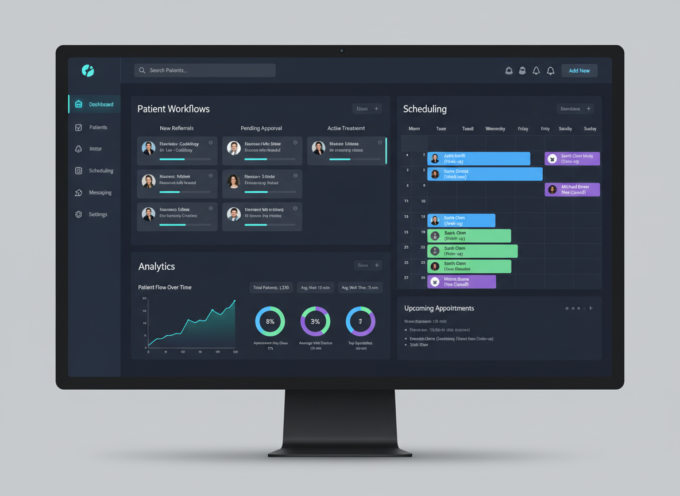
Modern healthcare SaaS platforms automate tasks like appointment reminders, claims submissions, prior authorizations, and documentation compliance. The system triggers alerts when forms are incomplete, reduces billing errors, and synchronizes patient information across departments.
Medical use cases include automated pre-op checklists, digital intake forms, physician scheduling systems, and integrated patient communication portals.
The benefits are measurable: shorter wait times, fewer no-shows, faster reimbursements, and reduced burnout among staff.
As SaaS platforms evolve, expect intelligent workflow orchestration—software that dynamically adjusts staffing, predicts patient surges, and optimizes resource allocation.
Healthcare is shifting from manual admin to automated operations, and SaaS is the engine making it possible.





Why Healthcare Providers Are Adopting Vertical SaaS for Smarter Patient Management
There is evidence that the food industry designs ultra-processed foods to be...





Leave a comment