
How Smart Medical Devices Are Reshaping Clinical Care in Real Time
There is evidence that the food industry designs ultra-processed foods to be highly rewarding, to maximize craveability and to make us want more and more and more
 it.consultantMay 29, 20241 Mins read3.4k

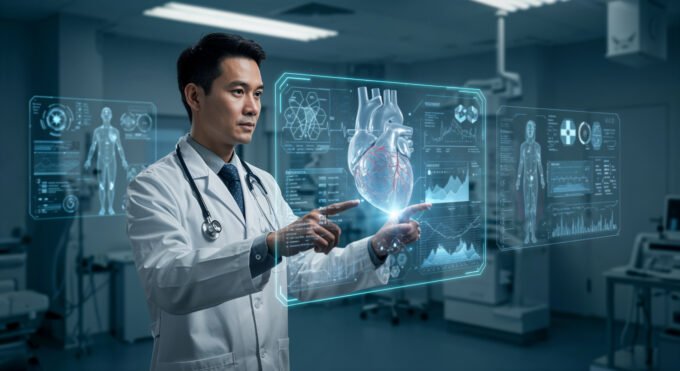
Healthcare is shifting from reactive treatment to proactive monitoring—and smart medical devices are the core drivers. These devices combine sensors, connectivity, and real-time analytics to capture patient data continuously and deliver insights that clinicians can act on immediately.
Wearable ECG monitors, glucose sensors, and smart inhalers are already mainstream, but the real innovation is happening in device-to-cloud connectivity. Devices now transmit data securely to clinical dashboards where anomalies trigger alerts instantly. Doctors no longer rely solely on occasional clinic readings; they monitor health trends throughout the day.
Inside hospitals, connected devices are changing bedside care. Smart infusion pumps automate dosage accuracy, reducing medication errors. Wireless vitals monitors eliminate the need for frequent manual checks. AI-enabled ultrasound probes assist clinicians in low-resource settings by guiding probe positioning and interpretation.
The shift is also economic. Smart devices reduce hospital readmission rates by enabling earlier intervention. For chronic disease management—diabetes, cardiac conditions, COPD—continuous monitoring is far more cost-effective than repeated emergency visits.
Interoperability remains the biggest headache. Not all devices communicate well with EHRs, and inconsistent data standards create integration friction. But the industry is moving toward unified APIs and cloud ecosystems that allow seamless device-to-platform syncing.
Add AI into the mix and smart devices evolve from “data collectors” to “prediction engines.” Systems can forecast arrhythmia risks, detect medication non-adherence, or warn of worsening respiratory function before symptoms escalate.
The future is simple: every medical device will either become smart—or become obsolete.

Review Overview
Summary
Vestibulum viverra gravida fringilla. Suspendisse accumsan purus quis augue lobortis quis sagittis
The Pros
Colors Size StyleThe Cons
Expensive Duration quality- Design70%
- Speed80%
- Saving94%
- Features80%





How AI Is Revolutionizing Early Disease Detection
There is evidence that the food industry designs ultra-processed foods to be...

The 2024 Men’s College World Series for The Good, The Bad
There is evidence that the food industry designs ultra-processed foods to be...

PS Store ‘Summer Game Fest’ Sale Discounts Sea of Thieves and Thousands More
There is evidence that the food industry designs ultra-processed foods to be...

Wearable Medical Devices Are Shaping the Future of Personalized Healthcare
There is evidence that the food industry designs ultra-processed foods to be...





Leave a comment