
How AI Is Revolutionizing Early Disease Detection
There is evidence that the food industry designs ultra-processed foods to be highly rewarding, to maximize craveability and to make us want more and more and more
 ElizabethJune 5, 20241 Mins read108
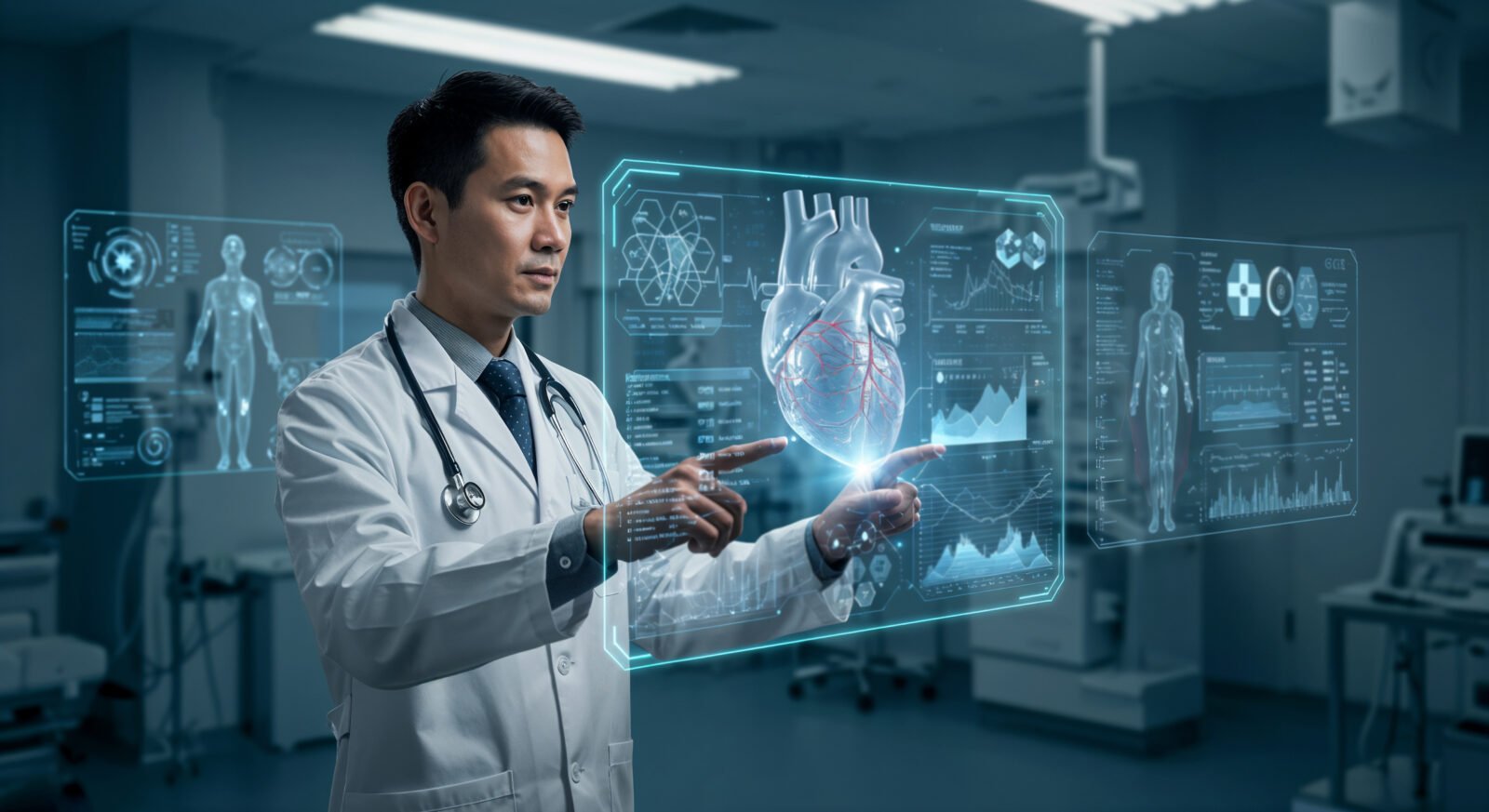
Artificial Intelligence is becoming one of the most powerful tools in modern medicine—especially in early disease detection. Traditional diagnostic methods rely heavily on human interpretation and experience, which can sometimes lead to delays or oversight. AI, on the other hand, analyzes massive volumes of medical data—including scans, lab results, and patient histories—with speed and precision.
Machine-learning models can detect subtle patterns in X-rays, MRIs, and CT scans that may be too small for the human eye to notice. This has proven especially effective in early detection of cancer, cardiovascular disease, and neurological disorders. Hospitals are now integrating AI-powered diagnostic platforms that assist radiologists, allowing for faster and more accurate results.
AI also supports predictive analytics. By analyzing symptoms, genetic data, lifestyle habits, and environmental factors, it can alert clinicians about potential risks long before symptoms become severe. This shift toward preventive medicine is reducing hospital admissions and helping patients receive timely treatment.
As AI continues to learn from global datasets, its ability to provide early warnings and accurate diagnoses will only increase, significantly improving patient outcomes.







The 2024 Men’s College World Series for The Good, The Bad
There is evidence that the food industry designs ultra-processed foods to be...

PS Store ‘Summer Game Fest’ Sale Discounts Sea of Thieves and Thousands More
There is evidence that the food industry designs ultra-processed foods to be...

Wearable Medical Devices Are Shaping the Future of Personalized Healthcare
There is evidence that the food industry designs ultra-processed foods to be...

The best Father’s Day gifts for every dad in your life
There is evidence that the food industry designs ultra-processed foods to be...





Leave a comment