
Why Healthcare Is the Top Target for Cyberattacks — And How Hospitals Can Build Real Defenses
There is evidence that the food industry designs ultra-processed foods to be highly rewarding, to maximize craveability and to make us want more and more and more
 it.consultantMay 24, 20241 Mins read1.2k
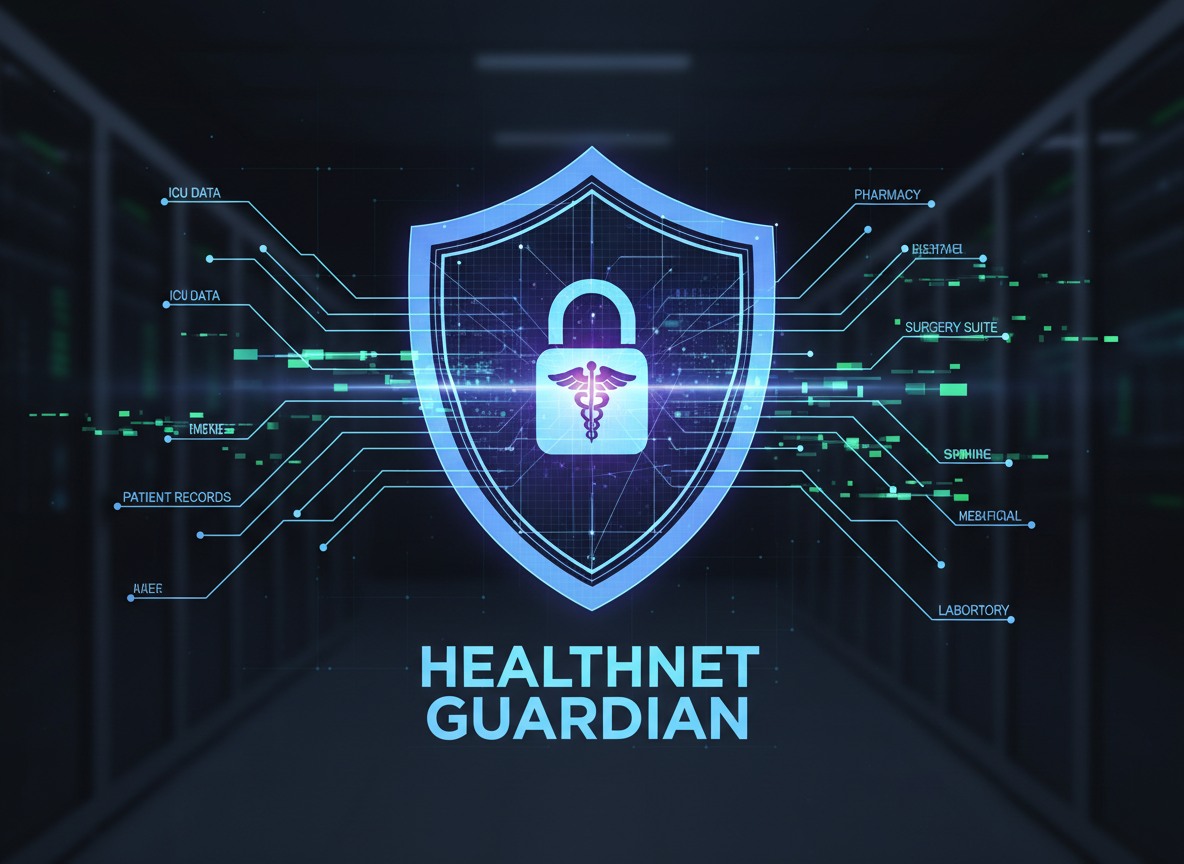
Healthcare has become the most attacked industry worldwide—not because its security is weak, but because its data is incredibly valuable. Medical records sell for up to 50x more than credit card numbers on dark-web markets. They contain identity data, insurance details, medical histories, and billing information—all in a single record.
Hospitals also operate under constant pressure. They cannot afford downtime; delaying surgeries or shutting down emergency systems is not an option. That makes them prime ransomware victims.
The threat landscape is evolving fast. Attackers use phishing, compromised vendor accounts, unpatched medical devices, and exposed cloud assets to infiltrate networks. Legacy systems make things worse. Many radiology and lab devices still run outdated OS versions with zero modern security controls.
The solution isn’t more tools—it’s smarter architecture.
Zero Trust is becoming essential. Instead of assuming internal traffic is safe, Zero Trust requires continuous verification of identity, device health, and network behavior. Even if attackers breach one endpoint, they can’t move laterally.
Network segmentation is another must. Critical systems like EHRs, infusion pumps, and PACS must be isolated from general hospital traffic to limit breach impact.
Real-time monitoring powered by AI-driven SIEM tools is now standard for early threat detection. Hospitals also need continuous patching, vulnerability assessments, and multi-factor authentication across all staff—including temporary clinicians who often bypass security.
Human error remains the weakest link. Regular phishing simulations and role-specific cybersecurity training significantly reduce successful attacks.
Healthcare cybersecurity is no longer an IT problem—it’s a patient safety issue. A single breach can delay care, corrupt diagnostic data, or disable critical systems.



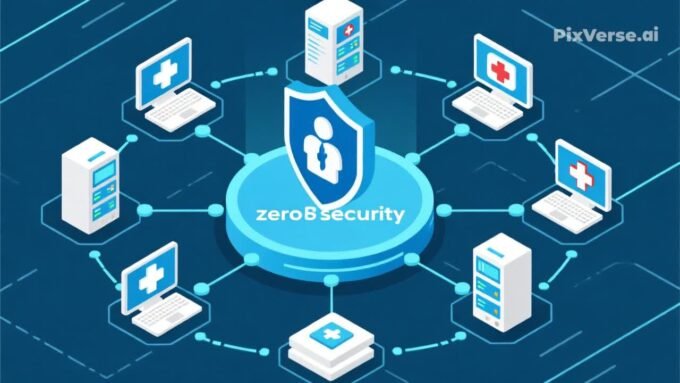
How Zero-Trust Security Is Becoming Essential in Healthcare Systems
There is evidence that the food industry designs ultra-processed foods to be...
The Growing Need for Cybersecurity in Protecting Hospital Data
There is evidence that the food industry designs ultra-processed foods to be...



Leave a comment