
How AI Predictive Models Are Improving Hospital Readmission Prevention
There is evidence that the food industry designs ultra-processed foods to be highly rewarding, to maximize craveability and to make us want more and more and more
 it.consultantMay 26, 20241 Mins read5.9k
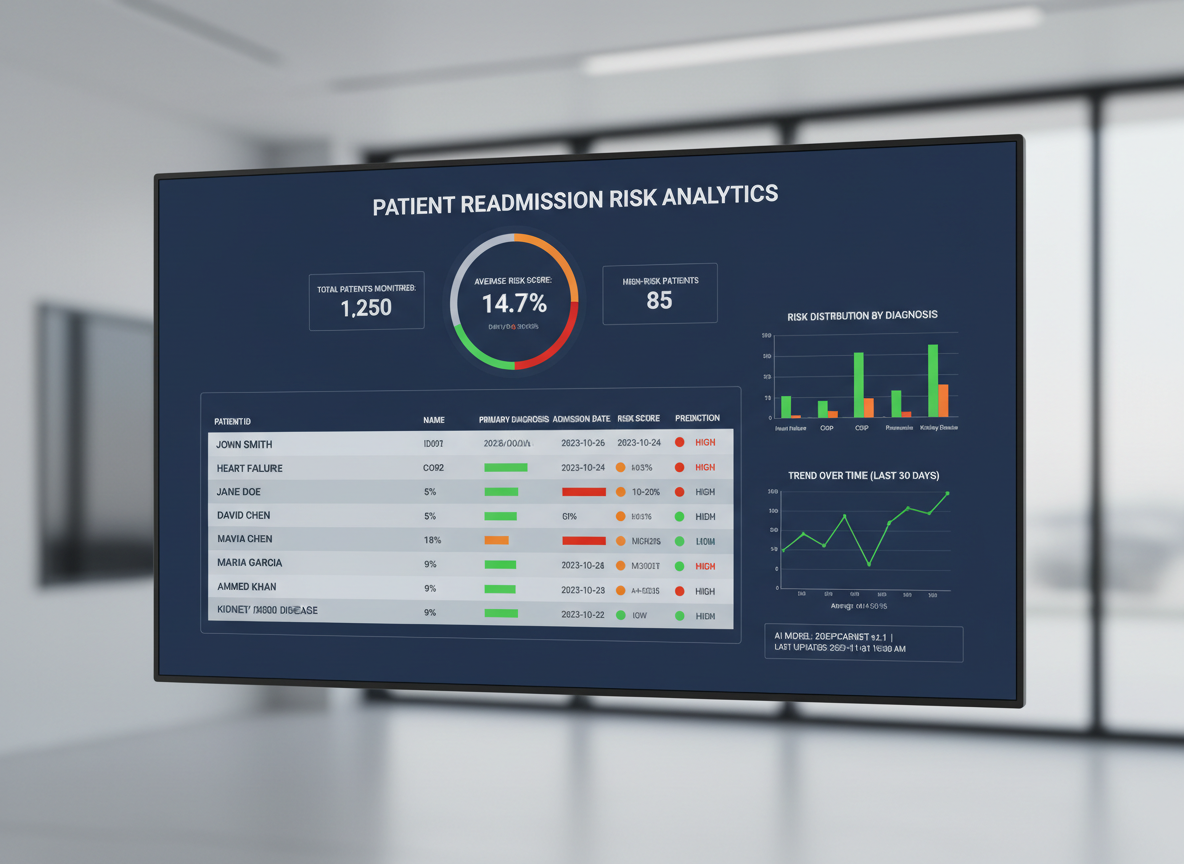
Hospital readmissions are expensive and often preventable. AI-driven predictive models give hospitals a way to identify high-risk patients before they deteriorate.
The core problem is that traditional risk scoring systems rely on limited variables and outdated statistical models. They fail to account for behavioral, social, and real-time clinical data. AI solves this by analyzing thousands of data points simultaneously—vitals, medications, lab trends, imaging, demographics, and previous disease patterns.
Machine learning models flag patients who are trending toward adverse outcomes. Nurses receive alerts for intervention: medication adjustments, follow-up scheduling, or home monitoring setups.
AI shines in chronic disease management. Heart failure, COPD, diabetes, and renal conditions show strong predictive performance because the models detect early micro-patterns humans overlook.
Hospitals using predictive analytics report up to 25% fewer readmissions. Financial impact is significant—reduced penalties, optimized bed usage, and lower emergency revisit rates.
The future is continuous prediction, not one-time scoring. Wearables, remote monitoring devices, and home sensors will feed real-time data into hospital systems for dynamic risk scoring.
AI-driven prevention is shifting hospitals from reactive emergency care toward proactive health maintenance.







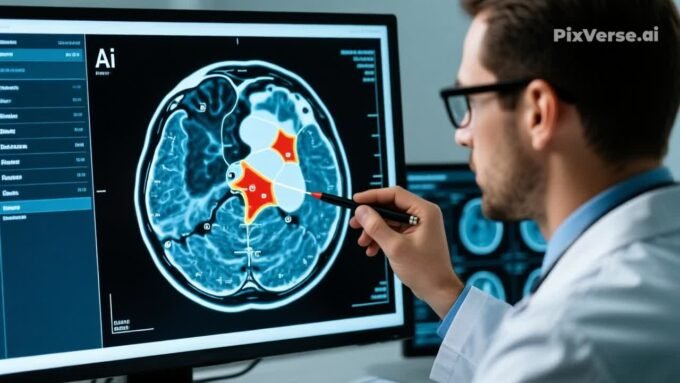
How AI Is Transforming Radiology Workflows: From Faster Scans to Accurate Diagnoses
There is evidence that the food industry designs ultra-processed foods to be...
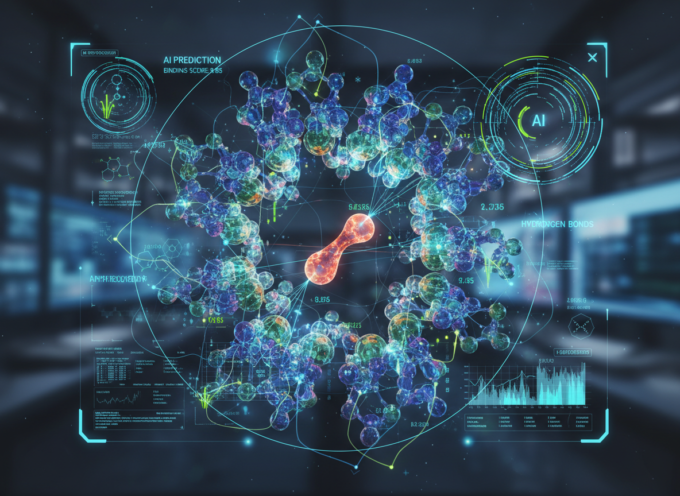
AI-Enhanced Drug Discovery: Cutting Development Timelines in Half
There is evidence that the food industry designs ultra-processed foods to be...

Using AI to Automate Clinical Documentation in Hospitals
There is evidence that the food industry designs ultra-processed foods to be...





Leave a comment