
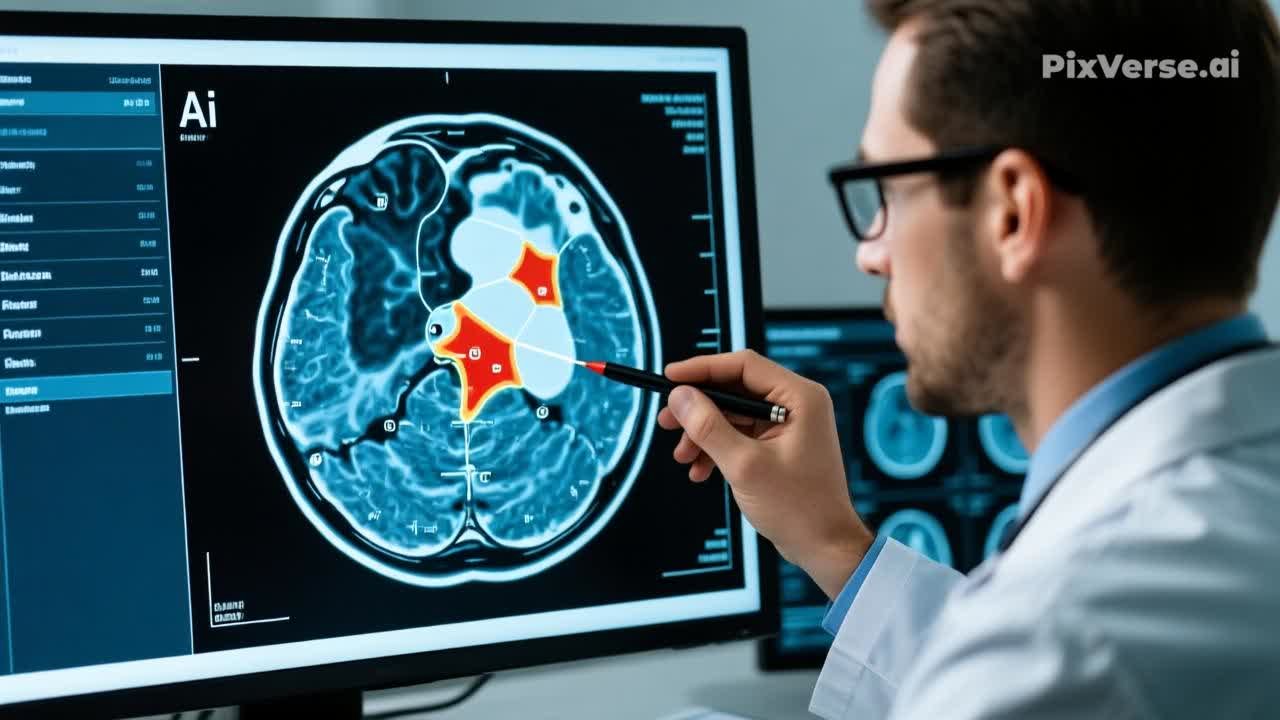

Radiology has always been a bottleneck in hospital operations. Imaging volume grows every year, but radiologist staffing hasn’t kept up. That gap is exactly where AI has become not just helpful—it’s unavoidable. Modern radiology departments are shifting from manual, time-intensive interpretation to AI-augmented workflows that detect anomalies, prioritize urgent cases, and reduce report turnaround times.
Today’s AI systems don’t aim to replace radiologists; they enhance their output. Deep-learning models trained on millions of medical images can identify patterns that even experienced specialists may miss during peak workload hours. For example, AI can detect early-stage lung nodules or subtle micro-hemorrhages with higher sensitivity, ensuring high-risk patients are flagged immediately.
The biggest impact is happening in workflow automation. AI engines now automatically triage incoming studies, push critical cases to the top of the queue, and generate preliminary findings that radiologists verify rather than build from scratch. That alone cuts reporting time by 30–50% in some hospitals.
Integration with PACS and RIS systems is becoming more seamless. Instead of standalone tools, AI is increasingly embedded directly into imaging hardware and diagnostic platforms. MRI vendors now offer AI-accelerated scan protocols that reduce scanning times by up to 40%, increasing throughput without requiring new machines.
Hospital administrators value one thing: efficiency without compromising accuracy. AI delivers both. Radiologists appreciate another aspect—reduced cognitive load. Instead of sifting through hundreds of normal scans, they focus on high-impact ones.
The next frontier is multimodal AI—systems that analyze imaging data + clinical history + lab results simultaneously. Expect AI to move from “image interpretation assistant” to “diagnostic partner.”





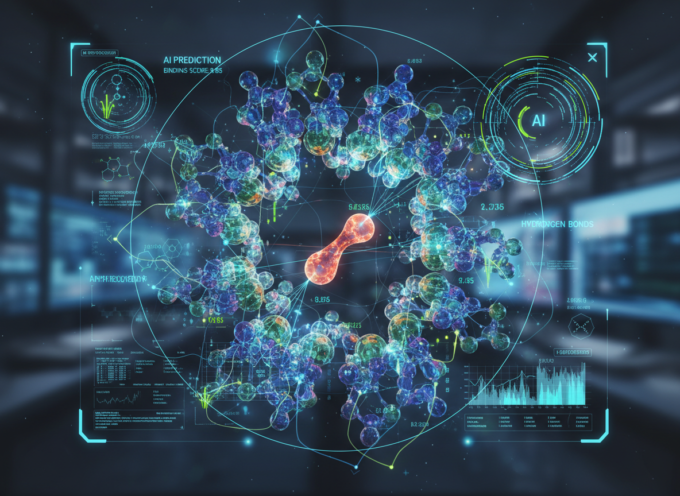
AI-Enhanced Drug Discovery: Cutting Development Timelines in Half
There is evidence that the food industry designs ultra-processed foods to be...
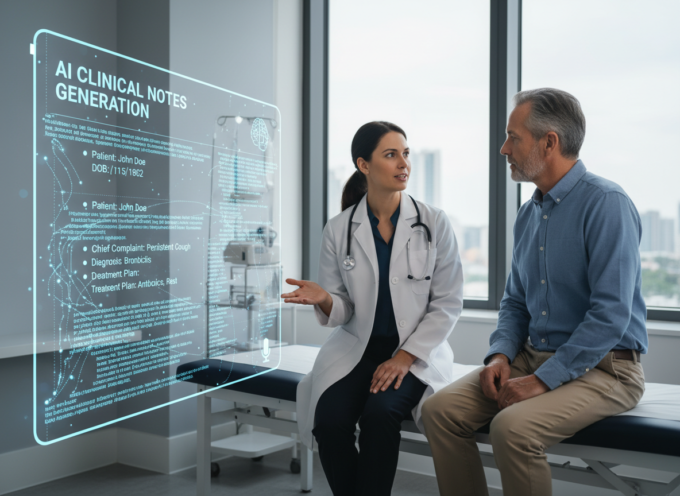
Using AI to Automate Clinical Documentation in Hospitals
There is evidence that the food industry designs ultra-processed foods to be...
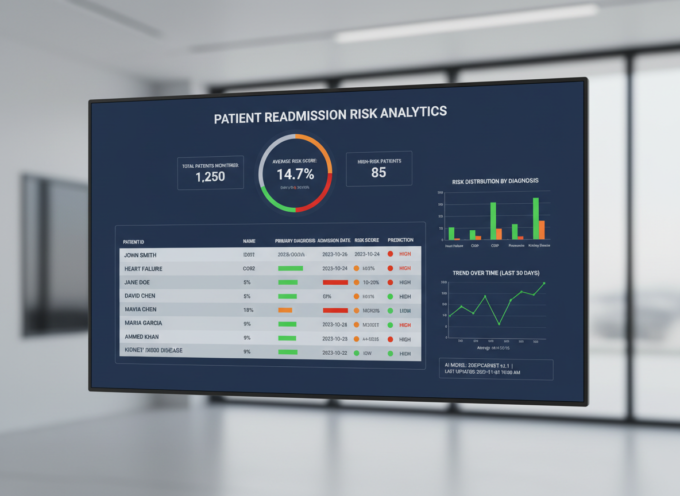
How AI Predictive Models Are Improving Hospital Readmission Prevention
There is evidence that the food industry designs ultra-processed foods to be...



Leave a comment