
How AI Is Transforming Fast-Food Companies and Powering the Future of Value Meals
There is evidence that the food industry designs ultra-processed foods to be highly rewarding, to maximize craveability and to make us want more and more and more
 ElizabethJune 5, 20242 Mins read82
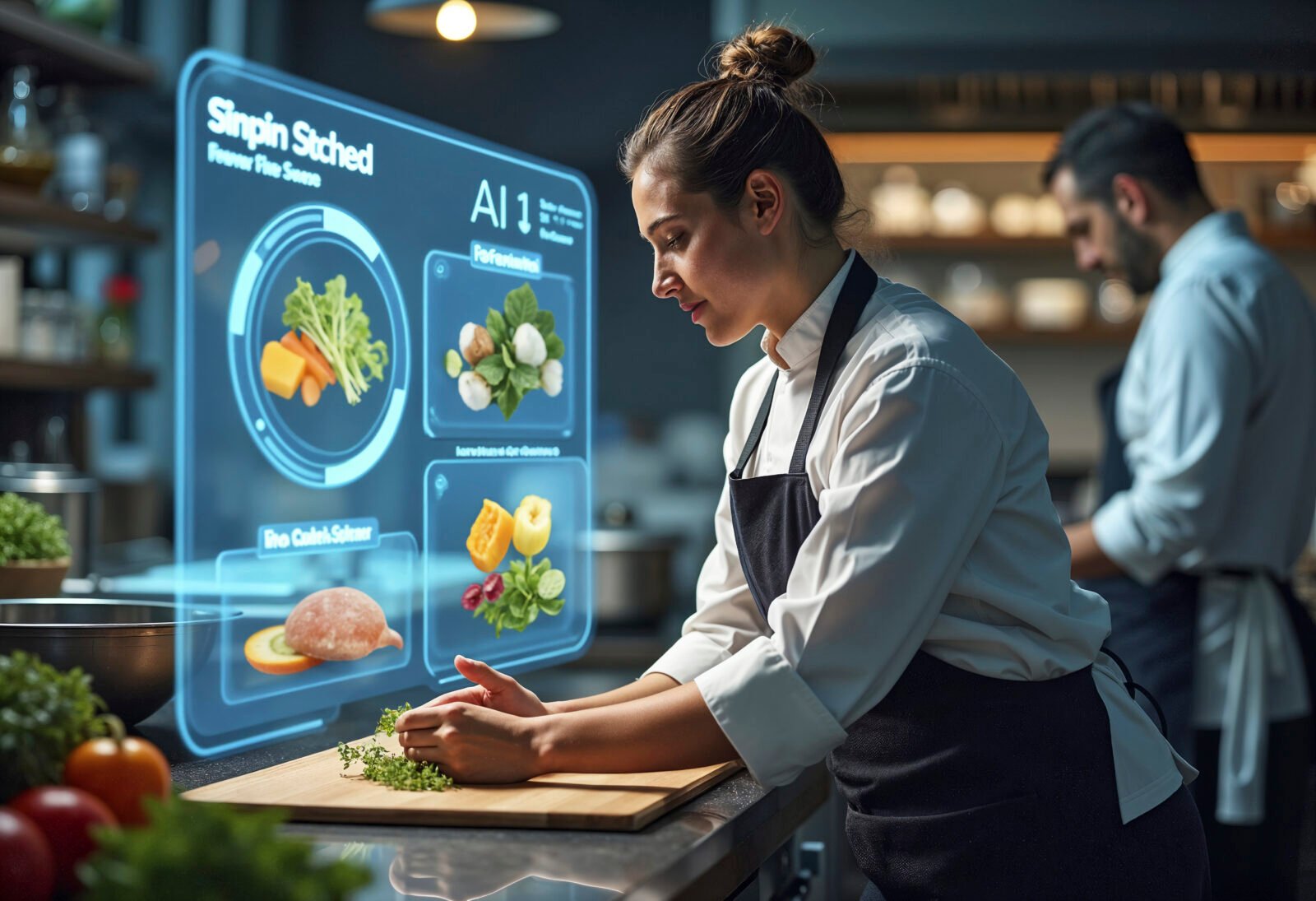
Artificial intelligence is reshaping nearly every industry, and the fast-food sector is no exception. As companies compete to offer better value meals, improve service speed, and meet customer expectations, AI has become one of the most powerful tools driving innovation. From personalized deals to automated kitchens, the fast-food industry is entering a new digital era—and the results are transforming how customers experience their favorite brands.
1. Smarter Pricing and Better Value Deals
One of the biggest challenges fast-food companies face is offering competitive value meals while maintaining profitability. AI helps by analyzing massive amounts of data, including product costs, customer demand, and time-of-day trends.
This allows brands to adjust prices, create optimized combo deals, and introduce limited-time offers that appeal to budget-conscious customers. AI-powered pricing means companies can offer great deals without sacrificing quality or margins.
2. Personalized Customer Experiences
Fast-food apps and loyalty programs are becoming more advanced thanks to AI. Instead of offering the same coupons to everyone, companies now tailor discounts based on individual customer behavior.
For example:
- If a customer regularly orders breakfast, the app may send morning-only deals.
- Someone who frequently buys a combo meal may receive a reward that encourages them to try a new sandwich or side.
This personalization boosts customer satisfaction and increases the likelihood of repeat visits—helping brands compete more effectively.
3. AI-Powered Drive-Thrus and Ordering
To improve speed and accuracy, many fast-food chains are experimenting with AI voice assistants in drive-thrus. These systems can:
- Understand complex orders
- Reduce human error
- Speed up service times
- Allow employees to focus on food preparation
Some restaurants are even testing AI-powered kiosks that recommend meals based on the time of day, weather, or popular trending items.
4. Automation in the Kitchen
Behind the scenes, AI-controlled robots and automated systems are helping cook food more consistently and efficiently. From robotic fryers to burger-flipping machines, automation reduces wait times and helps maintain quality.
This technology also supports staff during busy hours, allowing employees to focus on customer service while AI handles repetitive tasks.
5. Better Inventory and Waste Management
AI predicts which ingredients will be needed and when, reducing food waste and ensuring popular items don’t run out. This makes operations more sustainable and cost-effective—another advantage in the competitive value-meal market.
Conclusion
AI is revolutionizing fast food by improving pricing, personalization, ordering, kitchen operations, and inventory management. As companies continue adopting smarter technology, customers can expect faster service, better deals, and a more enjoyable dining experience. The future of value meals—and the industry as a whole—is being shaped by AI innovation every day.







How AI Is Revolutionizing Early Disease Detection
There is evidence that the food industry designs ultra-processed foods to be...

The 2024 Men’s College World Series for The Good, The Bad
There is evidence that the food industry designs ultra-processed foods to be...

PS Store ‘Summer Game Fest’ Sale Discounts Sea of Thieves and Thousands More
There is evidence that the food industry designs ultra-processed foods to be...

Wearable Medical Devices Are Shaping the Future of Personalized Healthcare
There is evidence that the food industry designs ultra-processed foods to be...





Leave a comment